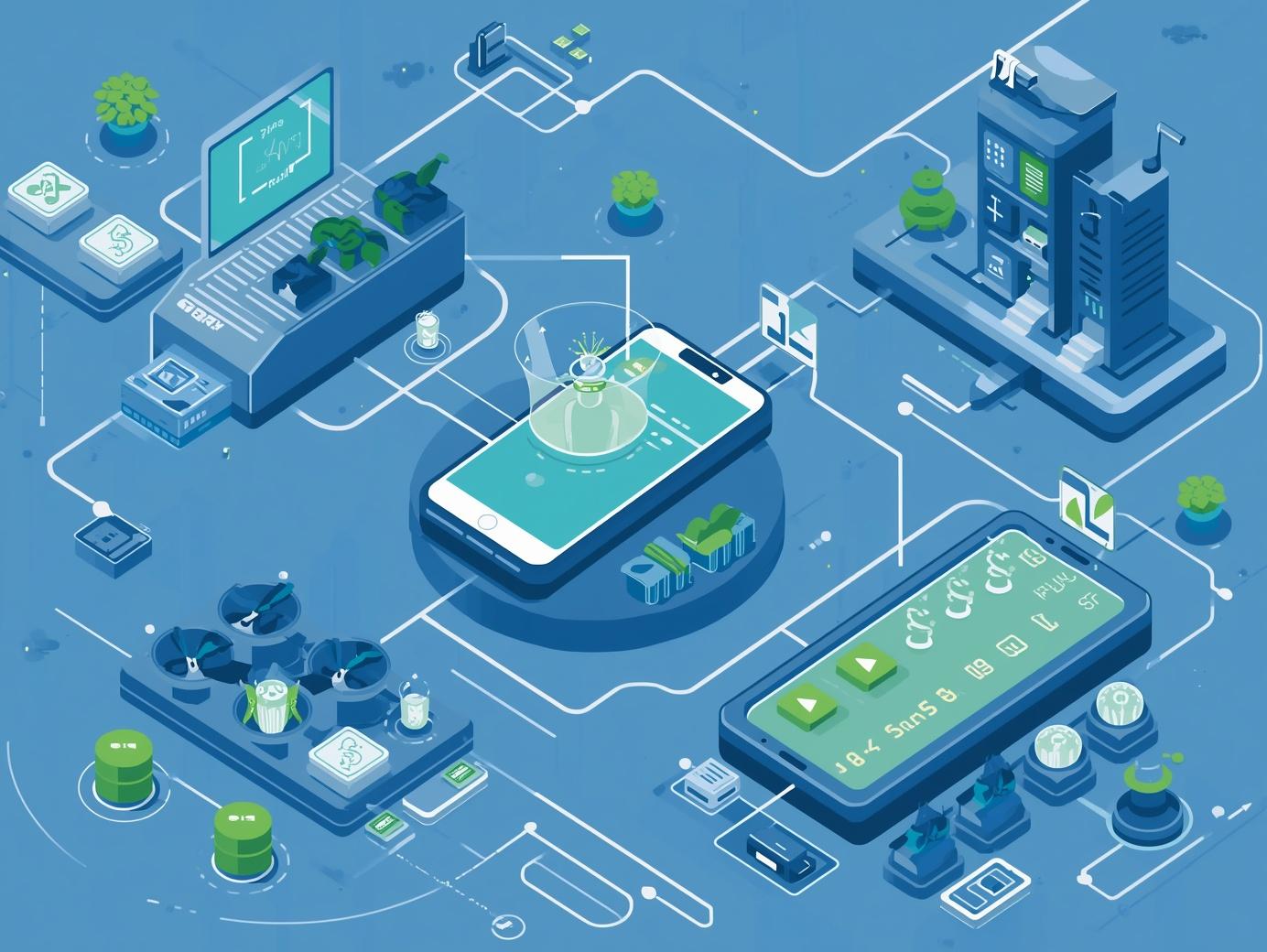
In the digital age, customer experience (CX) has become a critical determinant of how value is created and sustained across global enterprises. For diversified organisations operating across energy, infrastructure, logistics, and industrial value chains, CX is increasingly becoming the point where operational capability is translated into perceived value. In practical terms, customer experience is becoming an enterprise capability and a strategic value lever, not just a service layer.
Customers no longer evaluate organisations purely on product quality or commercial terms. Increasingly, they assess how effectively an organisation delivers reliability, transparency, and responsiveness across complex, multi-step service and supply chains.
Research consistently shows that organisations with leading CX capabilities outperform peers in both revenue growth and customer retention. According to McKinsey, companies that excel in customer experience grow revenue significantly faster than the industry average, while poor experiences remain a key driver of churn and value erosion.
In this context, CX is no longer a downstream function. It is becoming an integrated layer across operational, commercial, and digital systems.
CX in Diversified, Asset-Intensive Enterprises
For global organisations, CX must be understood through the lens of long-cycle, capital-intensive, and globally distributed operations.
Unlike pure digital-native environments, value creation in these businesses depends on:
- Physical asset performance across geographies
- Complex logistics and trading networks
- Multi-party coordination across supply chains
- Long-term contractual and customer relationships
In such environments, CX is not simply about interface design or service responsiveness. It reflects the organisation’s ability to coordinate complexity and deliver reliability across interconnected systems.
Gartner highlights that modern CX is increasingly defined by the ability to unify data, operations, and customer engagement into a coherent experience layer.
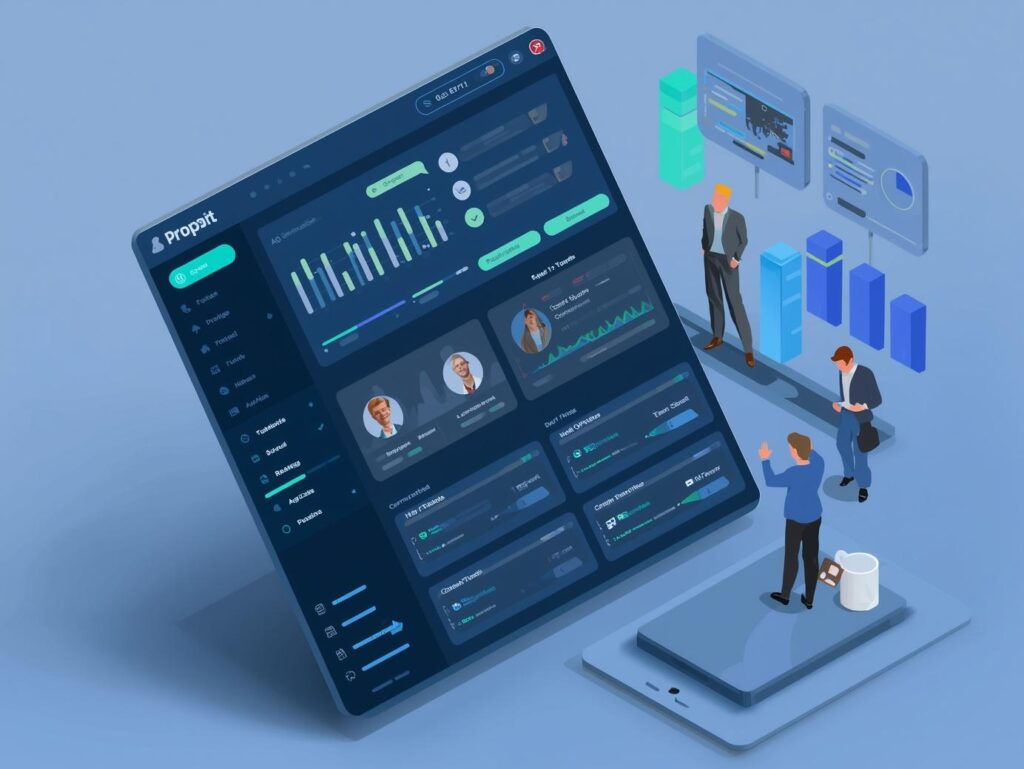
This is particularly relevant for diversified trading and industrial organisations, where customer experience is tightly linked to execution quality across the value chain.
Which Industries Are Investing Most in CX?
Across global markets, CX investment is accelerating in sectors where service reliability, operational transparency, and lifecycle engagement directly influence commercial outcomes.
Gartner and Salesforce research indicate that financial services, retail, telecommunications, and utilities are among the leading investors in CX transformation, driven by increasing digital expectations and the need to differentiate in mature markets.
However, what is increasingly relevant for organisations is the extension of CX investment into industrial and B2B value chains, where experience is becoming embedded in operational performance itself.
Across these sectors, investment priorities are converging around:
- Integrated digital customer interfaces
- Real-time operational visibility
- AI-enabled service and support models
- Data-driven relationship management
The direction of travel is clear: CX is becoming a structural capability within industrial ecosystems, not just a front-end function.
Top 5 CX Technologies Shaping Enterprise Transformation
CX transformation is being enabled by a set of core technologies that integrate AI, data, and automation into customer-facing and operational processes.
1. AI-Powered Conversational Interfaces
AI-driven chat and virtual assistants are increasingly used to manage customer interactions across service, trading, and support environments.
Gartner identifies conversational AI as a key enabler of scalable customer engagement, particularly in high-volume operational contexts.
2. Self-Service Platforms
Self-service capabilities are becoming central to CX strategy, enabling customers to access information, track transactions, and resolve issues independently.
Customers increasingly expect frictionless digital self-service as a baseline requirement, not a value-add.
3. Customer Data Platforms (CDPs)
CDPs integrate fragmented data sources into a unified customer view, enabling more consistent and informed engagement across channels and business units.
For diversified enterprises, this also enables cross-entity visibility across complex organisational structures.

4. AI-Driven Personalisation Engines
AI is increasingly used to tailor engagement based on behavioural, transactional, and contextual data.
Advanced personalisation can materially increase revenue while improving operational efficiency in marketing and customer engagement functions.
5. Omnichannel Experience Platforms
Omnichannel platforms integrate physical, digital, and assisted service channels into a single experience layer.
This is particularly relevant for organisations operating across multiple industries and geographies, where consistency of experience becomes a differentiating factor.

What B2B Organisations Can Learn from B2C CX
Historically, B2C organisations have led CX innovation, while B2B environments have been structured around relationship-based and process-driven engagement models.
However, this distinction is rapidly eroding.
Salesforce research shows that B2B customers increasingly expect consumer-grade simplicity, transparency, and responsiveness across digital interactions.
For diversified industrial and trading organisations, this creates three structural shifts:
1. CX Becomes Embedded in Value Chains
Experience is no longer separate from operations. It is shaped directly by execution quality across supply chains, logistics, and service delivery.

2. Digital Interfaces Become Core to Relationship Management
Customer engagement increasingly moves from manual, relationship-heavy processes to digital, data-driven interaction models.
3. Decision-Making Becomes Experience-Driven
Customer expectations increasingly influence operational decisions, requiring tighter integration between commercial, operational, and digital teams.
The result is a convergence toward consumer-grade expectations applied to industrial-scale complexity.
Why Is Customer Experience Becoming an Enterprise Capability?
For organisations, CX should be viewed not as a standalone capability, but as an integrated outcome of enterprise systems.
It reflects the maturity of:
- Data infrastructure across business units
- Operational execution across supply chains
- Digital integration across functions
- Decision-making speed and quality
In this sense, CX becomes a proxy for how effectively the organisation converts operational capability into customer value across global markets.
It is also increasingly linked to resilience—particularly in environments where supply chains, logistics, and commodity markets are exposed to volatility and disruption.
From Service Delivery to Experience Systems
As CX evolves, organisations are shifting from managing individual interactions to designing end-to-end experience systems.
This includes:
- Predicting customer needs using data and AI
- Reducing friction across multi-step journey
- Embedding intelligence into operational workflows
- Connecting customer-facing systems with backend execution
Gartner describes this as the evolution toward composable, intelligent experience architectures, where CX is continuously adapted based on real-time feedback loops between systems and users.
In this model, CX becomes an operating layer across the enterprise, rather than a function within it.

Conclusion: CX as a Strategic Value Lever
Customer experience has become a critical lever in how diversified enterprises create and sustain value in complex global environments.
CX is not limited to service excellence. It is increasingly a reflection of how effectively the organisation integrates operations, data, and decision-making into a coherent system of value delivery.
As industries converge around digital platforms, AI-enabled engagement, and real-time operational visibility, CX is emerging as a key differentiator across both B2C and B2B environments.
Ultimately, CX is no longer a supporting capability. It is becoming a strategic expression of enterprise performance across the entire value chain.