Imagine a world where you could stress-test a decade of business decisions in an afternoon. As digital maturity peaks, the focus is shifting from ‘looking at data’ to ‘living in it.’ Digital Twins are the virtual nervous system of the modern enterprise, transforming how we manage risk, optimise assets, and predict the future of the physical world.
For organisations operating across complex, asset-intensive, and globally distributed environments, digital twins are no longer experimental technologies. They are becoming a foundational capability for improving operational efficiency, managing risk, and supporting better strategic decision-making.
What is a Digital Twin?
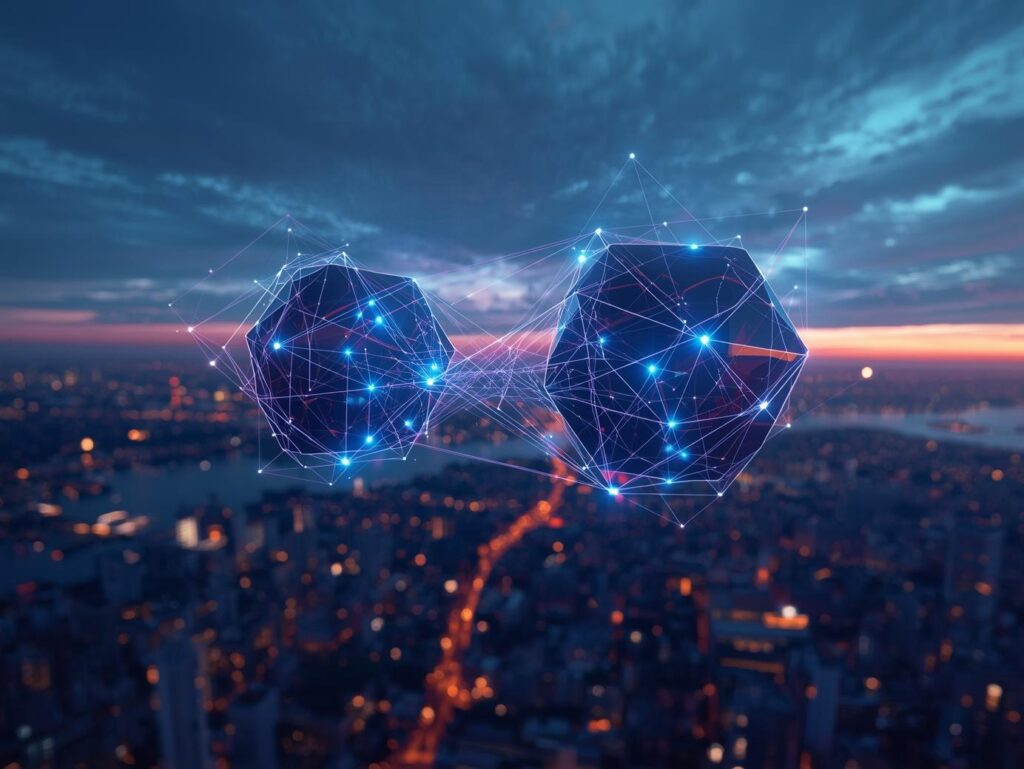
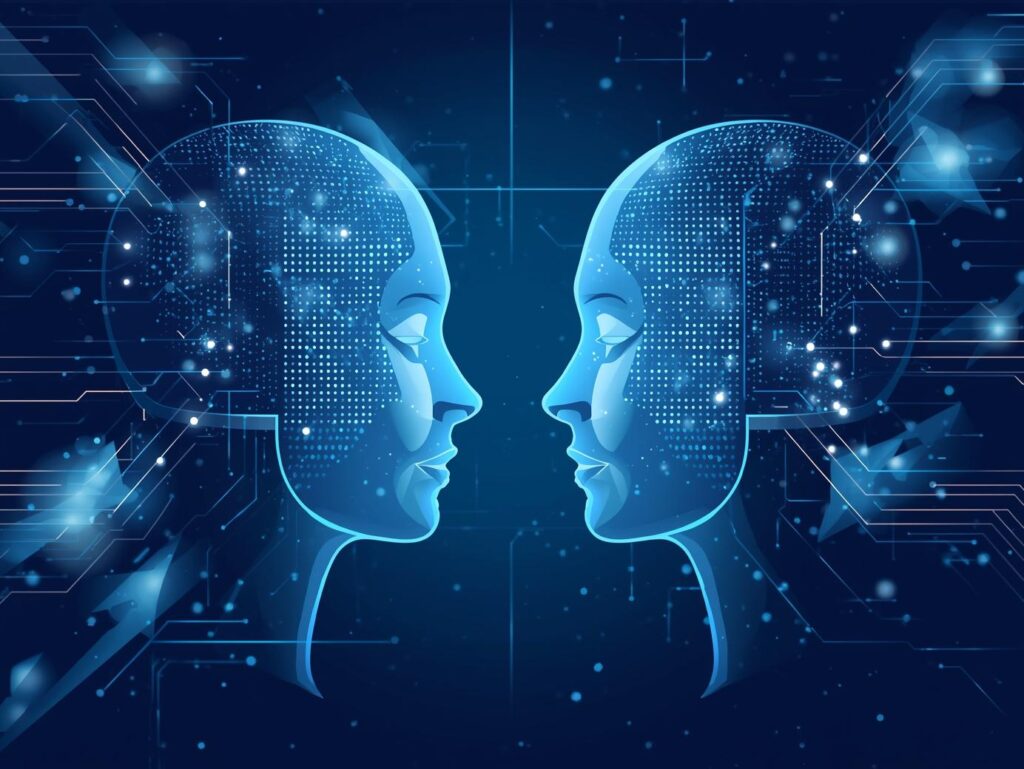
In simple terms, a digital twin is a digital /virtual representation of something real—such as an asset, a facility, a supply chain, or an operational process—that is continuously updated using real-world data.
What differentiates a digital twin from traditional reports or dashboards is not just that it shows what is happening now, but that it reflects how a system behaves over time and how different elements influence one another. This allows users to explore “what-if” scenarios and understand the likely impact of different decisions
However, modern digital twins go far beyond visualisation. When combined with advanced analytics, machine learning, and optimisation techniques, they can:
• Simulate future scenarios
• Predict performance and failure risks
• Test operational decisions before they are implemented
• Continuously learn and improve over time
Why Digital Twins Matter Now
Several converging trends are accelerating the adoption of digital twins:
• Increased data availability – IoT sensors, operational technology, and enterprise systems now generate vast volumes of high-frequency data.
• Advances in cloud and compute – Scalable platforms make it feasible to process, model, and simulate complex systems at scale.
• Rising operational complexity – Global supply chains, volatile markets, and regulatory pressures demand more sophisticated decision support
• From hindsight to foresight – Organisations increasingly need predictive and prescriptive insights, not just historical reporting
In this context, digital twins act as a bridge between the physical and digital worlds, enabling organisations to move from reactive operations toward proactive and optimised performance.
Key Use Cases for Digital Twins Across Industries
Digital twins are highly versatile and can be applied across many sectors.
1. Asset & Infrastructure Management:
In asset-intensive industries such as energy, manufacturing, and transportation, digital twins are used to monitor asset health and predict failures before they occur. By modelling wear, usage patterns, and environmental conditions, organisations can shift from time-based maintenance to condition-based and predictive maintenance, reducing downtime and extending asset life.
2. Supply Chain & Logistics Optimisation:
Digital twins of supply chains allow companies to model inventory flows, bottlenecks, and capacity constraints across multiple geographies. This enables scenario testing—such as demand shocks, supplier disruptions, or transportation delays—helping decision-makers evaluate trade-offs between cost, resilience, and service levels
3. Yard, Port and Facility Operations:
For complex operational environments like yards, warehouses, or ports, digital twins can integrate layout data, equipment availability, inspection records, and demand forecasts. This allows operators to optimise space utilisation, plan maintenance activities, and anticipate future capacity constraints rather than reacting when issues arise.
4. Risk & Resilience Planning:
If only one person (or the vendor) knows how the system works, it becomes a long-term risk, no matter how stable it is today.

From Digital Models to Decision Engines
A critical distinction is that not all digital twins are equal. Many early implementations focus on visualisation—providing a “single pane of glass” for operational data. While valuable, this represents only the first step
More advanced digital twins function as decision engines, combining:
• Physics-based or process-based models
• Statistical and machine-learning models
• Optimisation and scenario-planning capabilities
This shift—from descriptive to predictive and prescriptive insight—is where digital twins deliver their greatest strategic value.
Organisational and Data Foundations
Successfully deploying digital twins is as much an organisational challenge as a technical one. Key foundations include:
Data Integration & Quality: Digital twins rely on integrating data from multiple sources, often across operational technology (OT) and information technology (IT) systems. Ensuring data consistency, timeliness, and governance is essential to maintaining trust in the twin’s outputs
Domain Expertise: Effective twins encode deep domain knowledge—engineering principles, operational constraints, and business rules. Close collaboration between technical teams and domain experts is critical to building models that reflect reality rather than theoretical assumptions
Change Management and Adoption: Even the most sophisticated digital twin delivers little value if it is not embedded into day-to-day decision-making. This requires clear ownership, training, and alignment with existing operational workflows
Digital Twins as a Strategic Capability
For diversified organisations, digital twins should be viewed not as isolated projects, but as a strategic capability that can be reused and scaled across business units.
Common patterns such as asset health modelling, forecasting, or scenario simulation can be adapted across industries, accelerating value creation and reducing duplication of effort. Over time, this creates a portfolio of interconnected digital twins that support enterprise-wide intelligence.
Moreover, digital twins increasingly serve as a foundation for more advanced capabilities, including agent-based systems and autonomous decision support, where software agents can act on insights generated by the twin within defined governance boundaries
Looking Ahead
As digital twins continue to evolve, their role will expand from operational optimisation to strategic planning and innovation. We can expect to see:
- Greater use of real-time and external data sources
- Closer integration with AI-driven forecasting and optimisation
- Increased focus on explainability and trust in model outputs
- Wider adoption at system and ecosystem levels, not just individual assets
In an environment characterised by uncertainty and complexity, digital twins offer a powerful way to experiment, learn, and decide with confidence, before actions are taken in the physical world.
Conclusion
Digital twins represent a fundamental shift in how organisations understand and manage complex systems. By creating a living, data-driven representation of the real world, they enable better decisions, lower risk, and more resilient operations.
For businesses, digital twins align naturally with a long-term, value-driven approach to business, supporting smarter operations today while building the foundations for tomorrow’s intelligent, adaptive enterprises.
Author: Simranjeet Riyat– AI Consultant